The London Tube, also called the London Underground, is one of the fastest and easiest ways to get around the British capital. If you want to understand the London Tube map, compare the different lines, choose the best ticket and avoid common mistakes, this guide will help you.
For tourists, the Tube is often the easiest way to move between the city’s main railway stations, museums, shopping districts, landmarks and airport connections. The challenge is not whether to use it, but how to use it well.
Quick answer: is the London Tube easy to use?
- Best for: fast travel across central London
- Main strength: clear network of Underground lines linking key attractions and stations
- Best payment method: usually contactless or Oyster
- Most useful zones for tourists: usually Zones 1 and 2
- Good to know: some lines are much better than others for shopping, airports, sightseeing or station-to-station travel
London Tube map
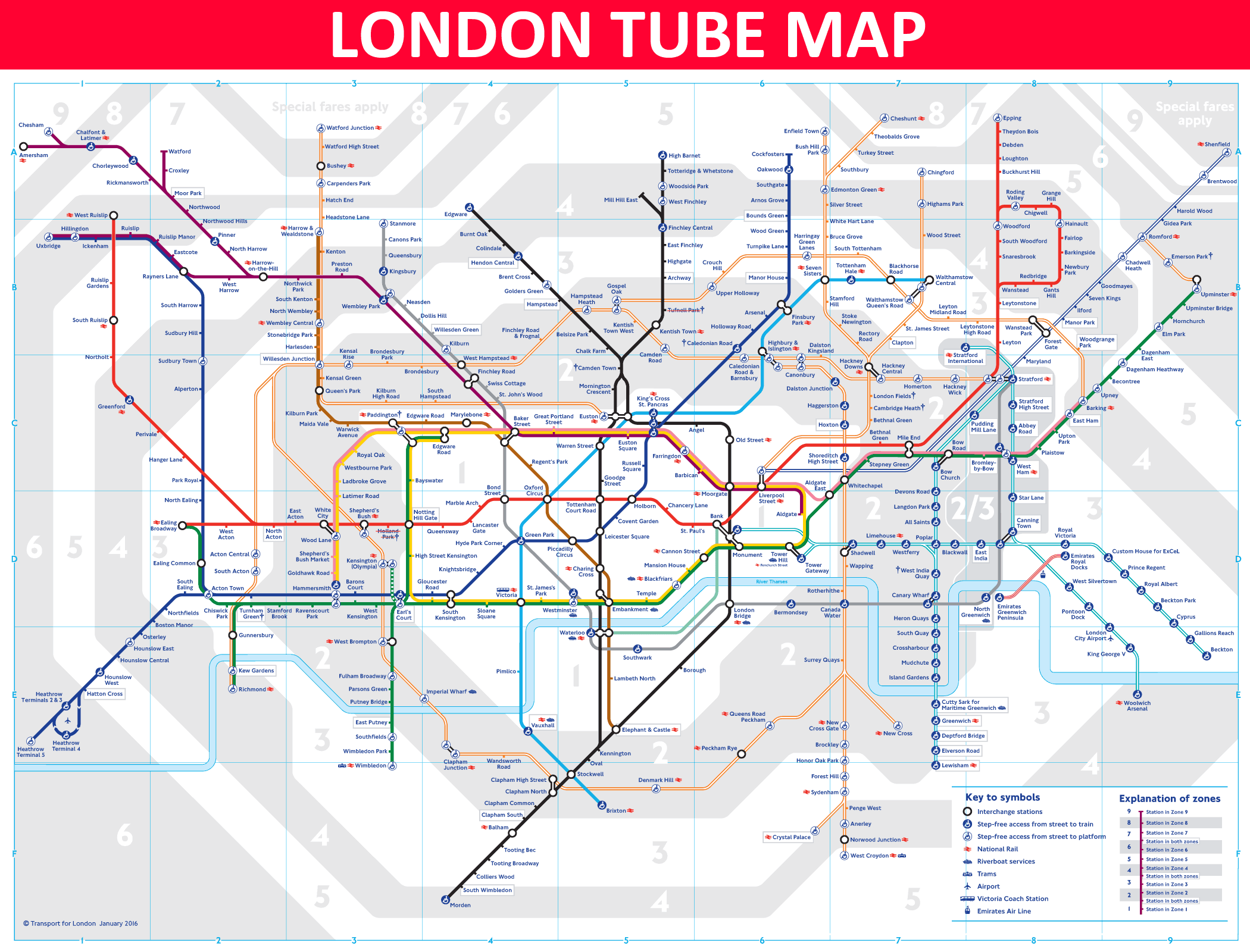
The Tube map is the key to understanding London transport. Each Underground line has its own colour, and interchange stations make it possible to change between lines quickly. In practice, most tourists spend most of their time in Zones 1 and 2, where many of London’s best-known attractions, museums, theatres and stations are located.
Why this London Tube guide is useful
Many visitors search for a map, but what they really need is a decision guide. The map shows the network, but it does not automatically tell you:
- which line is best for your hotel area
- which line is fastest for sightseeing
- how to save money on fares
- which station is most practical for a landmark
- which route works best from an airport or rail terminal
This page is designed to solve that problem by combining the map, line summaries, ticket tips and practical links in one place.
How to use the London Tube map
If you are visiting London for the first time, focus on these basics:
- Check the colour of the line you need
- Look at the direction of travel, especially on branched lines such as the Northern, District or Central lines
- Use interchange stations to change lines when needed
- Check the destination shown on the train before boarding
- Use contactless or Oyster instead of paper tickets in most cases
For many travellers, the Tube feels complicated only at the beginning. Once you understand the map and the main interchange stations, the network becomes much easier to navigate.
London Tube tickets and how to save money
For most visitors, contactless payment or an Oyster card is the easiest and cheapest way to travel on the Tube. Pay as you go is cheaper than buying a paper single or return ticket, and fares are capped so that you do not keep paying more and more for multiple trips in the same day or week.
Peak and off-peak prices apply, and fares vary depending on your zones and route. TfL also provides fare tools and a single fare finder to check journey costs before you travel.
👉 Compare London Tube tickets, Oyster and contactless options
What are the best Tube lines for tourists?
Not all Tube lines are equally useful for the same type of trip. Some are better for airports, some for sightseeing, some for shopping, and some for rail connections.
- Central Line – best for fast east-west travel, Oxford Circus, Bank and Stratford
- Piccadilly Line – best for Heathrow and several major central stations
- Jubilee Line – best for Westminster, Waterloo, London Bridge, Canary Wharf and the O2
- Northern Line – best for Camden Town, Leicester Square, Waterloo and London Bridge
- Circle Line – very useful for central London loops and big station areas
- District Line – excellent for museums, Westminster, Victoria and Wimbledon-side travel
If you are only in London for a short stay, you will often use a combination of Central, Jubilee, Northern, Piccadilly, Circle and District more than the others.
Best Tube lines for common tourist needs
Best line for Heathrow Airport
The Piccadilly Line is one of the best-known Tube options for Heathrow-related travel, while other rail-based options may be faster depending on your destination.
Best line for Oxford Street and shopping
The Central Line is one of the strongest options for Oxford Circus and central shopping areas.
Best line for Westminster and major landmarks
The Jubilee Line, District Line and Circle Line are especially useful depending on where you start.
Best line for Camden Town
The Northern Line is the obvious choice.
Best line for the O2 Arena
The Jubilee Line is one of the easiest choices because it serves North Greenwich.
Best line for London Eye and South Bank
The Jubilee Line, Northern Line and Bakerloo Line can all be useful depending on the station you choose.
Most useful London Tube interchange stations
If you understand the biggest interchange stations, the network becomes much easier to use. The most practical ones for visitors often include:
- King’s Cross St Pancras – major rail hub with multiple Tube lines
- Paddington – useful for Heathrow-related onward travel
- Victoria – major station and easy central interchange
- Waterloo – excellent for South Bank plus several Tube connections
- Bond Street – very useful for shopping and cross-London travel
- Liverpool Street – strong City and east-side hub
- Stratford – one of the strongest east London interchange points
How to choose the right Tube line for your trip
When choosing a line, ask yourself four simple questions:
- Where am I starting?
- What area or attraction am I trying to reach?
- Do I need speed, simplicity or a direct station connection?
- Would one line avoid a change?
For example, a visitor going from a west London hotel to Oxford Circus may care most about speed, while a visitor travelling from King’s Cross to Waterloo may care more about simplicity and station-to-station logic.
Airport and rail travel: when the Tube is useful
The Tube is not always the absolute fastest airport transfer option, but it is often very useful as part of a bigger route, especially when combined with major railway stations and cross-London interchanges.
- Heathrow – often associated with the Piccadilly Line and other rail options
- Gatwick-related onward travel – often linked through Victoria or London Bridge rail hubs
- Eurostar arrivals – usually linked through King’s Cross St Pancras
- Northbound and intercity rail arrivals – often through Euston, King’s Cross or Paddington
👉 Compare the best ways to get from London airports to the city centre
London Tube lines: line-by-line guide
Bakerloo Line
The Bakerloo Line is useful for central London travel, Paddington, Oxford Circus, Waterloo and Wembley-related journeys.
Read more about the Bakerloo Line
Central Line
The Central Line is one of the strongest lines for fast east-west travel, shopping, the City of London and Stratford.
Read more about the Central Line
Circle Line
The Circle Line is very useful for central London loops, Paddington, King’s Cross, Liverpool Street, Westminster and Victoria.
Read more about the Circle Line
District Line
The District Line is especially useful for South Kensington museums, Victoria, Westminster, Tower Hill, Richmond and Wimbledon routes.
Read more about the District Line
Hammersmith & City Line
The Hammersmith & City Line is useful for several central and west-side connections, including Paddington and key interchange areas.
Read more about the Hammersmith & City Line
Jubilee Line
The Jubilee Line is one of the most useful lines for Westminster, Waterloo, London Bridge, Canary Wharf, the O2 and Stratford.
Read more about the Jubilee Line
Metropolitan Line
The Metropolitan Line is useful for north-west London routes and certain major interchange and Wembley-adjacent journeys.
Read more about the Metropolitan Line
Northern Line
The Northern Line is one of the best lines for Camden Town, Leicester Square, Charing Cross, Waterloo, London Bridge and several major rail hubs.
Read more about the Northern Line
Piccadilly Line
The Piccadilly Line is one of the most important Tube lines for Heathrow access and several central tourist areas.
Read more about the Piccadilly Line
Victoria Line
The Victoria Line is one of the fastest north-south lines and very useful for Oxford Circus, Victoria Station and key central travel.
Read more about the Victoria Line
Waterloo & City Line
The Waterloo & City Line is short but practical for Waterloo and Bank journeys on weekdays.
Read more about the Waterloo & City Line
How to use the London Underground step by step
If this is your first time in London, the simplest process is usually:
- Check the destination on the map
- Find the closest station
- Choose the best line or interchange station
- Use contactless or Oyster to touch in and out
- Check the destination shown on the train before boarding
👉 Learn how to use the London Underground step by step
FAQ – London Tube Map and travel tips
What is the easiest way to use the London Tube?
For most visitors, the easiest way is to use the official map, choose the correct line colour, check the train destination and pay with contactless or Oyster.
Are Oyster and contactless cheaper than paper tickets?
In most cases, yes. Pay as you go with Oyster or contactless is cheaper than paper tickets, and fare capping helps control daily and weekly spend.
What zones do tourists usually use?
Most tourists spend most of their time in Zones 1 and 2 because many major attractions and central districts are located there.
How many Tube lines are there?
The London Underground has 11 Tube lines.
Where can I find the official Tube map?
TfL provides official Tube maps, large-print versions and additional network guides on its maps pages.
Useful London transport guides
If you are visiting London for the first time, these practical guides will help you get around more easily: